Where to Sell Vinyl Records: Shops, Online and Getting a Fair Price
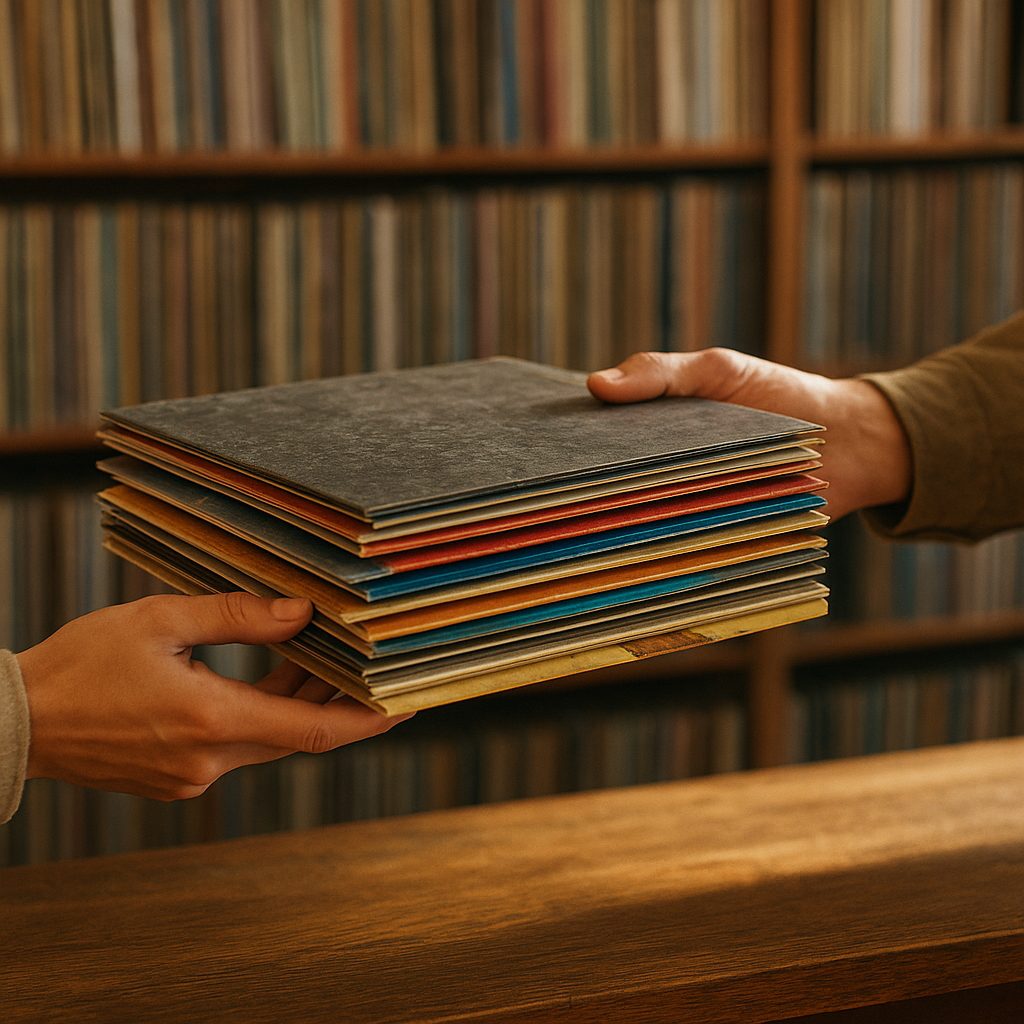
Whether you're thinning a collection, settling an estate or cashing in on years of digging, where you sell matters as much as what you sell. Here's the honest map of your options.
First: know what you have
Before anything leaves the shelf, spend an hour on homework. Sort your records into three piles: the common stuff (multi-million sellers, easy-listening, anything you see in every thrift store), the solid sellers (classic rock, jazz, punk and soul in good shape) and the maybe-valuable (first pressings, promos, weird variants, anything obscure). Identifying pressings by label, catalog number and the etchings in the run-out groove takes minutes per record — our vintage vinyl guide explains what collectors actually pay for and how to spot it.
Then grade honestly. Dealers and experienced buyers grade conservatively — Near Mint means near mint, not "looks fine to me." Check sold prices, not asking prices, for your exact pressing and condition. Asking prices are what sellers dream of; sold prices are what the market pays. The gap between those two numbers is where disappointment lives.
Option one: local record stores
The fastest route and, for common-to-good stock, often the right one. Shops pay roughly a third to half of what they'll price the record at — they carry the rent, the risk and the records that won't sell for two years. That's not a rip-off; it's the wholesale business. For a stack of clean classic rock, a local shop gives you cash today and zero shipping boxes.
How to do it well: call ahead and ask if they're buying and what they're hunting. Bring records clean and sleeved — presentation genuinely affects the offer. Sell the strong stuff separately from the filler rather than as one take-it-all lot, and don't be offended when they pass on half of it. The Tower District shops buy constantly, and store credit typically pays noticeably more than cash if you're still collecting yourself (see our collecting guide — trade credit is the hobby's great recycling program).
Option two: selling online yourself
The big collector marketplaces and auction sites get you closest to full retail — minus their cut, usually around ten to fifteen percent once fees and payment processing settle. This route makes sense for the maybe-valuable pile: records worth thirty dollars and up, where the extra margin beats the extra effort. Below that threshold, shipping costs and your time eat the difference.
Success online is mostly photography and honesty. Shoot the actual record, not a stock image: label close-ups, the sleeve's flaws, the run-out etchings. Grade conservatively — an unhappy buyer costs you a return, a refund and your rating. And learn to ship properly: the record outside the sleeve (so the seam doesn't split in transit), in a proper mailer with stiffeners. A "rare first pressing" that arrives destroyed is worth exactly nothing.
Option three: the other channels
- Collector groups and record shows. Regional record fairs and collector communities cut out the middleman entirely. Best for genuinely scarce items — the buyers there know exactly what your weird promo pressing is and what it's worth, which cuts both ways: no lowballing, but no lucky overpayments either.
- Consignment. Some shops sell your better records for you and take a percentage. Slower money than a straight sale, better money than wholesale — a reasonable middle path for quality stock you're not in a hurry to move.
- Garage sales and flea markets. Only for the common pile, priced to move at a dollar or three each. You will not get collector prices from people buying garden tools, and that's fine — volume is the point.
Selling a whole collection or estate
Inherited a garage full of records? Resist the urge to dump the lot in one go — bulk buyers price for the worst case. Pull the obvious keepers out first (anything from our essential albums list in clean shape deserves a second look), then get two or three buyers to quote on the rest. A surprising number of "worthless" estate collections contain one or two records that pay for the whole afternoon of sorting.
The records nobody wants
Every collection has them: the easy-listening, the scratched singles, the mystery albums with no resale market at any price. Don't force them on a dealer — it taints the offer on your good stock. Charitable thrift shops will take clean copies, community radio stations and libraries sometimes accept donations, and the truly hopeless make honest wall art. Knowing when a record is done being a record is part of being a grown-up collector.
Timing and expectations
A few hard truths. Most records are worth less than owners hope and a few are worth much more — the distribution is brutal. Condition swings value more than rarity does: a beat-up grail loses to a mint common pressing almost every time. And the market moves — demand for classic rock vinyl has stayed strong for years, but prices on yesterday's hot reissue can soften fast. If you're selling, sell into strength rather than waiting for a peak nobody can call.
Whatever route you take, keep a few. The sellers who regret it years later are rarely the ones who got a bad price — they're the ones who kept nothing. Leave a shelf's worth of the records you actually love, cash out the rest, and put the money toward something loud. We'll provide the soundtrack on 105.1.