Vintage Vinyl Records: What's Valuable, Where to Look and What to Avoid
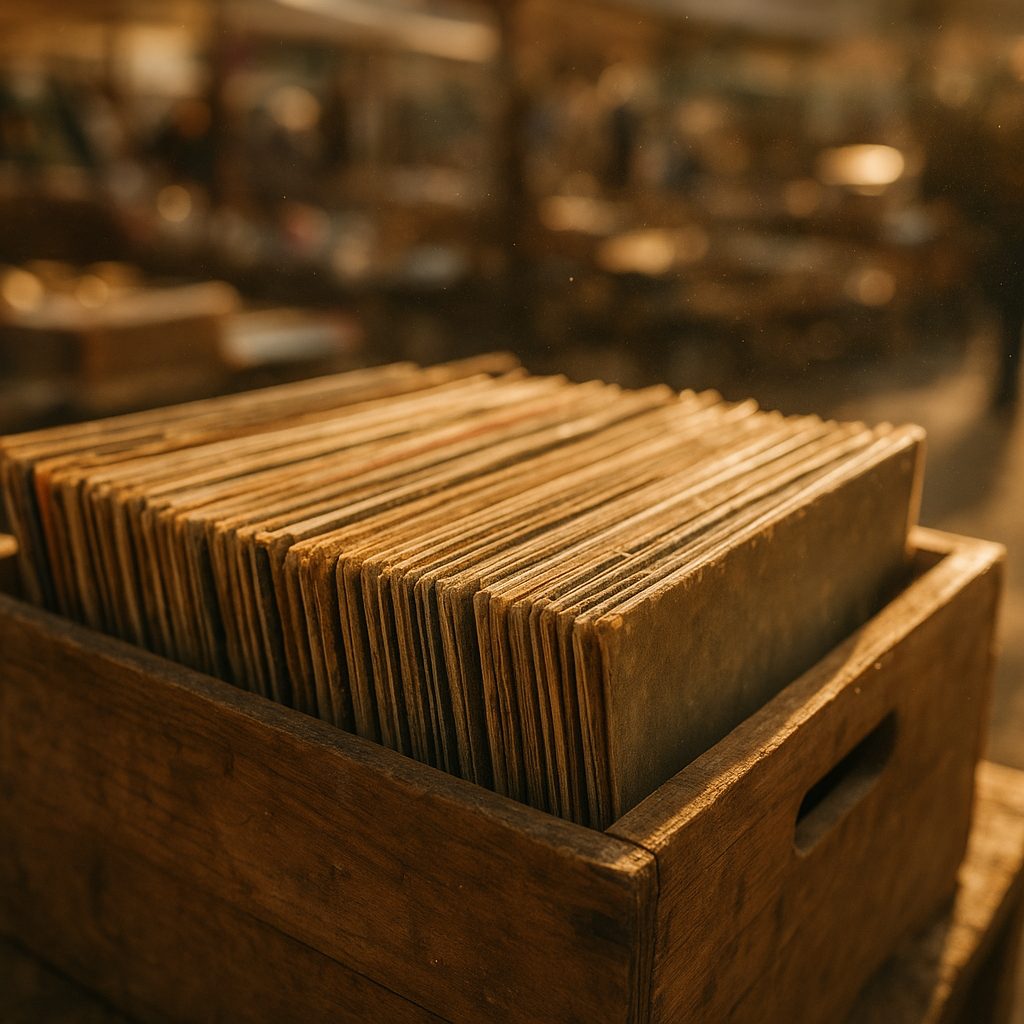
Not every old record is vintage gold, and not every vintage record is old. Here's how to tell a $2 flea-market filler from a genuine collectible — and where the good ones actually hide.
What "vintage" really means
Dealers generally use "vintage" for records pressed at least twenty to thirty years ago, which right now means anything up to the mid-'90s. But age alone adds nothing. A 1975 easy-listening LP that sold ten million copies is worth roughly the cardboard it's printed on, because supply dwarfs demand. Value lives at the intersection of three things: scarcity, condition and demand. A record needs at least two of the three to be worth more than a few dollars.
Rock dominates the vintage market for a simple reason: its fans actually play what they buy, and they buy for life. First pressings of the albums in our essential classic rock list — Zeppelin, Floyd, Beatles, Stones — are the blue chips of the whole hobby.
What collectors actually pay for
- First pressings. The earliest run from the original masters, usually closest to what the band approved in the studio. Identify them by the catalog number on the spine and the matrix etchings in the run-out groove (the "dead wax") — collector databases document which codes mark a true first.
- Country of origin. For British bands, UK first pressings usually outrank American ones. For American bands it's the reverse. Japanese pressings are prized for quiet vinyl and obsessive packaging, obi strip included.
- Short-lived variants. Withdrawn covers, misprints, promo copies, limited colored vinyl and mono editions of albums that quickly went stereo — the quirks that were corrected fast are the ones worth money now.
- Condition, condition, condition. A Near Mint copy can be worth ten times a Very Good copy of the same pressing. Collectors grade the sleeve almost as harshly as the vinyl: ring wear, seam splits and cut corners all cost real money.
Where to hunt in the Valley
Record stores are the obvious first stop — the Tower District shops turn over used stock constantly, and anything mispriced low vanishes within days, so frequency beats luck. But the genuine bargains live off the beaten path. Estate sales are the single best source of untouched vintage vinyl in the Central Valley: collections shelved since the '70s, often bought new and played a handful of times. Garage sales in the older neighborhoods produce surprises for the price of a coffee. Flea markets are a mixed bag — plenty of sun-warped junk, but vendors who don't specialize in records regularly underprice the good ones.
One habit separates successful diggers from hopeful ones: check the record, not the sleeve. A trashed cover can hide a mint disc, and a gorgeous sleeve can hide a record that looks like it was used as a coaster. Our guide to collecting vinyl covers grading and inspection in more detail — the two minutes it takes to learn the scale will pay for itself on your first dig.
What to leave in the bin
- Anything with deep scratches you can feel. Surface marks are cosmetic; scratches you catch with a fingernail are forever, and no cleaning fixes them.
- Warped records. Hold the disc at eye level and sight across it. Mild dish warps sometimes play through; anything that wobbles visibly is wall art, not a record.
- Mold and water damage. Common in garage-stored collections. Mold spreads to your other records and water-stained sleeves never recover.
- "Vintage-priced" reissues. Some sellers price modern reissues as if they were originals. When a record looks suspiciously new for its claimed age, check the label design and barcode — barcodes on a "1968 original" are a giveaway.
A word on buying vintage online
The collector marketplaces and auction sites have made every rare pressing theoretically available from your couch — for a price. The risks are grading optimism and shipping roulette. Buy only from sellers who photograph the actual record (label, sleeve flaws, run-out grooves), grade conservatively and have a track record of happy buyers. Budget for shipping done right: a proper record mailer costs real money, and a seller who cuts that corner is telling you something. Local digging has no shipping fees and no surprises — one more reason the Valley's bins deserve your Saturday mornings.
Price reality check
The vintage market has tiers, and knowing them keeps you sane. Dollar-bin classics — the multi-million sellers of the '70s and '80s — should cost one to five dollars in decent shape, whatever the sticker says. Solid collectible pressings of major rock albums run twenty to sixty. True rarities — withdrawn covers, promo-only releases, holy-grail first pressings in top condition — climb into the hundreds and beyond. Before paying serious money for anything, look up recent sale prices for that exact pressing and grade; asking prices are wishes, sold prices are facts.
The honest advice
Buy vintage vinyl because you want to hear it, not flip it. The collectors who do best over time are the ones who learned the pressing details, bought the cleanest copies they could afford and took care of them — and when the day comes to thin the shelves, our guide on where to sell vinyl records walks through getting a fair price. The hunt is half the fun. Happy digging, and keep it on 105.1 while you clean your finds.