The Story of KKBZ and Rock 105.1
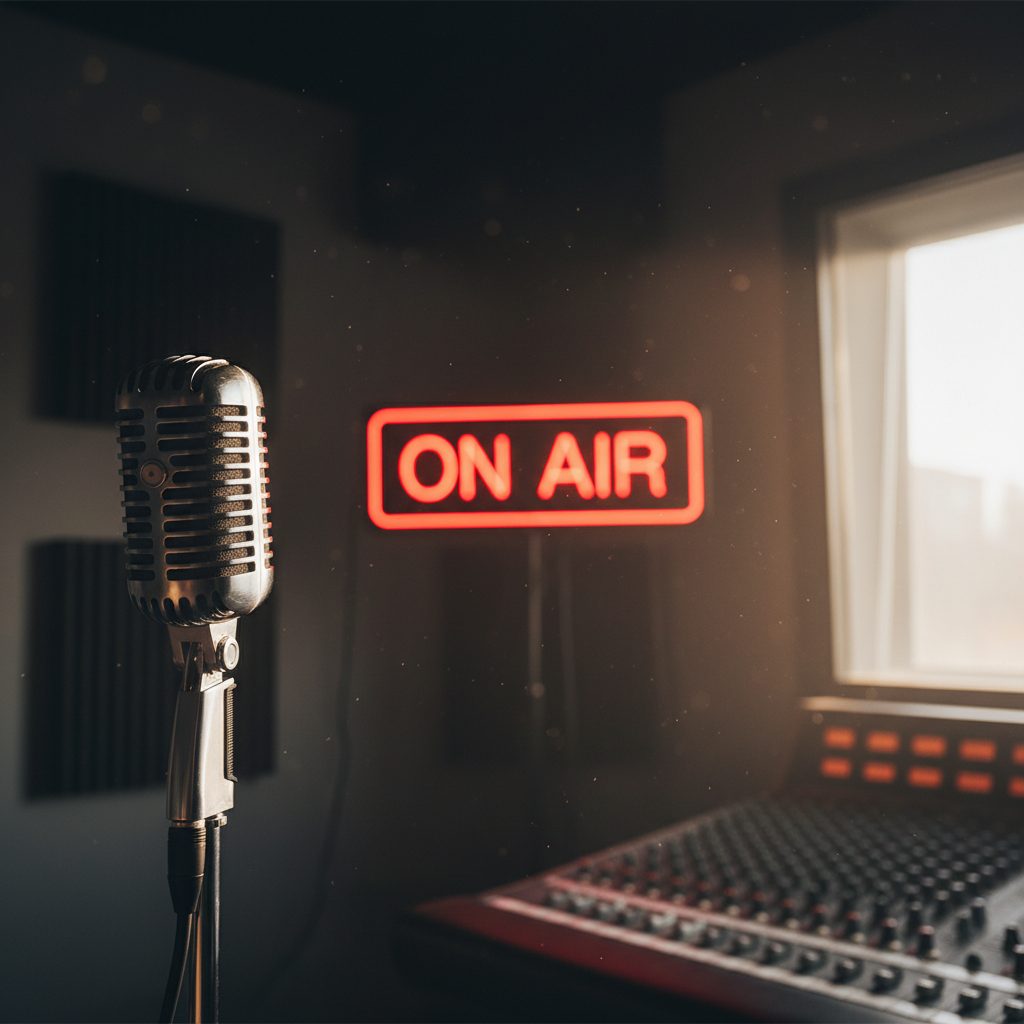
Every frequency in town has a biography. The 105.1 spot on the Fresno dial has lived several lives — and rock is the one that stuck with listeners.
The signal
105.1 FM has served the Central Valley for decades under the KKBZ call letters, carrying different formats as the market shifted around it. Like many Valley frequencies, its history reflects the region itself: agricultural towns strung along Highway 99, long commutes, and a population that grew up with the radio as a constant companion — in the truck, in the packing shed, in the field office.
Radio historians talk about "heritage frequencies" — the spots on the dial a city remembers. Fresno has a few, and they share a pattern: the formats that lasted were the ones that sounded like the Valley. Not imports from L.A. or syndicated feeds from nowhere, but programming rooted in what people here actually listened to, drove to, worked to.
Why rock fits this frequency
Format flips usually follow the ratings book, but the best ones follow the audience. Fresno's rock listenership was underserved for years — scattered between classic-hits outlets playing the same safe two hundred songs, and rock stations from Sacramento and Bakersfield bleeding weakly into the market. A full-time rock identity on 105.1 gave that audience a home frequency: the classics they grew up on, the '90s and 2000s they raised their kids on, and new rock worth turning up.
The early response confirmed what anyone who'd spent time in the Valley already knew. The requests don't stop at the obvious hits — listeners ask for deep cuts, for local bands, for the songs that used to live on the old mixtapes. That's not a casual audience. That's an audience that was waiting.
The listeners are the story
Ask around the Valley and you'll hear the same memories. The song that was playing on a first date. The drive to a Save Mart Center show with the pre-game chatter on the radio. The DJ who talked someone through a graveyard shift at the plant. The station that was on in the garage every Saturday of someone's childhood, which is why they still know every word of "Night Moves".
Stations are utilities until they're not — until they're woven into a city's routines so deeply that people describe time by what was on the air. That's the tradition Rock 105.1 inherited, and it's the standard we broadcast to every day. A frequency doesn't earn a place in a city's memory with a playlist; it earns it by showing up for the listeners, year after year.
The timeline, briefly
Every heritage frequency accumulates eras, and 105.1 is no exception. The broad strokes mirror American FM radio itself: the years when FM was the experimental band and anything could be tried, the era of tight consultant-driven playlists, the consolidation years when local voices thinned out across the dial, and now the current chapter — local again, music-first, and built for an audience that can hear the difference. Through all of it, the constant has been the listeners: Valley people keep radios where they work, and they remember which stations showed up for them.
The people behind the mic
Ask anyone who grew up here and they'll name DJs the way other towns name quarterbacks. That's not an accident. In a spread-out region, the voice on the radio is company — the person riding shotgun on the 41 commute or keeping the warehouse awake on third shift. The best Valley jocks have always understood the job that way: less broadcasting, more hanging out with a few hundred thousand friends at once. It's a tradition the current lineup takes personally — talk to them at a remote or a show and you'll see how personally.
What the station means to local music
A rock station in a market like Fresno is also infrastructure for the local scene. Every Valley band's first goal is a hometown spin — the moment your song comes through the same speakers as Zeppelin. It fills rooms, and filled rooms fill the inboxes of booking agents and festival scouts. Scenes with a strong local station produce more bands that break out; that's been true since the dawn of FM, and it still is.
What's next
More local: more Valley concert coverage, more Central Valley bands in rotation, more presence at the shows — remotes, ticket stops, meet-and-greets when the big tours roll through. More reasons to keep 105.1 on the presets and this site in the bookmarks. The frequency has had several lives. This one is built to last.