How to Display Vinyl Records Without Ruining Them
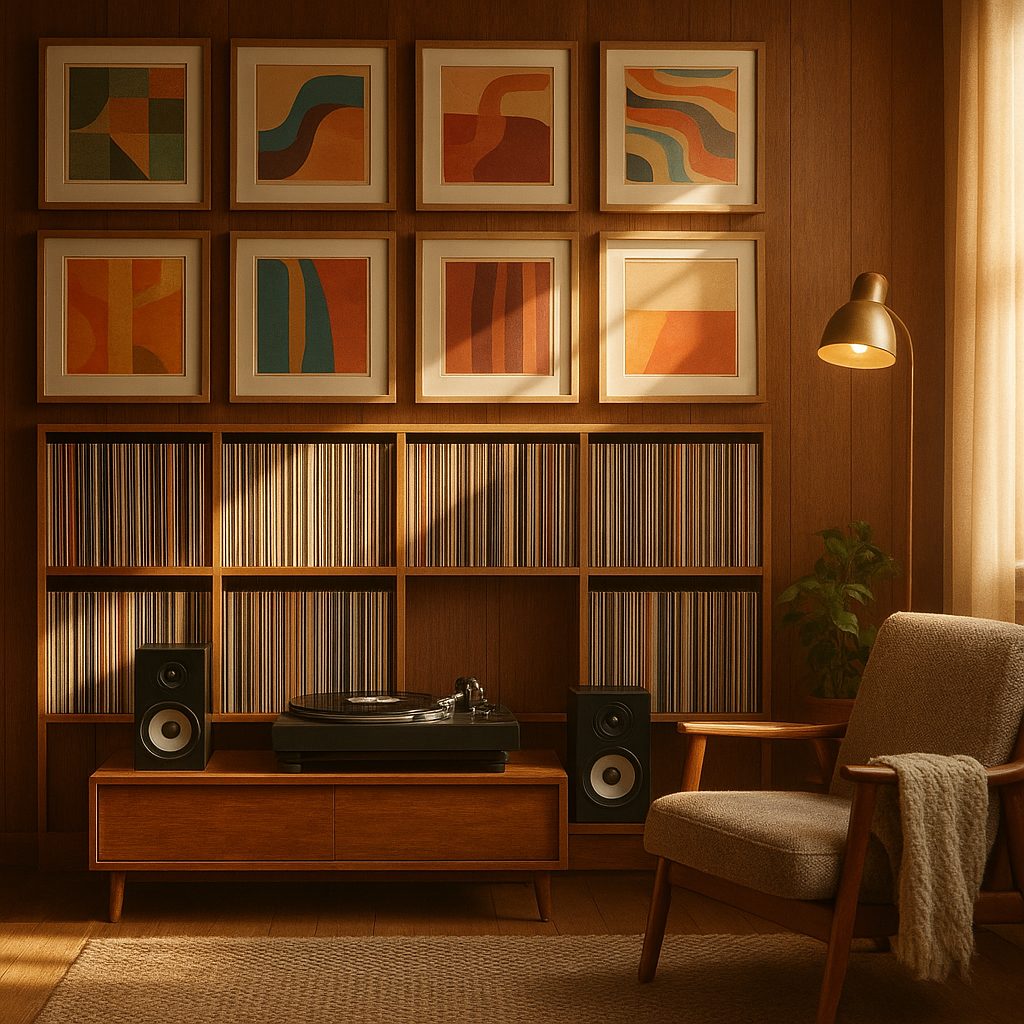
Album art was designed to be stared at. A great record collection hidden in a closet is a tragedy — but a great record collection melted on a sunny wall is a bigger one. Here's how to display vinyl records so they look incredible and still play perfectly.
Why display them at all?
Because the twelve-inch sleeve is the last great canvas in music. Hipgnosis designed Pink Floyd covers to be contemplated from a beanbag chair. The Ramones' debut is basically a poster that happens to contain a record. When you frame or shelve your favorites, you're not decorating — you're finishing the experience the artists intended. A wall of sleeves also tells guests more about you in three seconds than an hour of conversation, and it turns "what should we listen to?" into a browsing session instead of a scrolling session.
Framing done right
Frames are the classic move, and the first rule is: frame the sleeve, not the record. Pull the vinyl out and store it in an inner sleeve behind the frame or on your main shelf. Records locked inside frames for years can warp from heat buildup, and you'll never play something you can't reach.
Use a proper LP-sized frame — twelve and a half inches square minimum — with a real backing board so the sleeve doesn't bow. Cheap frames with tight lips can crease the corners of a mint sleeve, which defeats the entire purpose. UV-filtering acrylic is worth the small upcharge if the wall gets any natural light at all. And skip the tape, glue dots and thumbtacks: if a mounting method could damage the sleeve, it eventually will.
Ledges and shelves: the flexible option
If you rotate your listening — and you should — picture ledges beat frames. A simple three-inch-deep ledge lets sleeves lean at a slight angle, face-out, like the best rack in a record store. You can swap the display in ten seconds to match your mood, the season, or whatever's been on the turntable that week.
Run two or three ledges in a column with about fifteen inches of vertical space between them, and suddenly your living room has the world's most personal gallery. Mix eras and genres for visual rhythm: a bright '80s sleeve between two dark metal covers makes all three pop. The golden rule for face-out shelving is the same as for crates — never lean records at a steep angle for months at a time. A gentle tilt is fine; a forty-five-degree slouch is how you get warps.
Know your enemies: sun, heat and humidity
Vinyl's three killers are boring but undefeated. Direct sunlight fades a sleeve in a single summer — that iconic "Dark Side of the Moon" prism will go pastel before you notice. Heat is worse: a record near a radiator, a heating vent or a sun-baked exterior wall can warp past saving in an afternoon. Here in the Valley, that means never displaying records on a west-facing wall that catches the afternoon blast, and keeping your listening room reasonably climate-controlled.
Humidity is the slow enemy. It doesn't warp the vinyl so much as it wrecks the cardboard — mildew spots, ring wear that turns to rot, sleeves fused to inner sleeves. A cheap hygrometer on the shelf keeps you honest; anywhere between 35 and 50 percent relative humidity is the comfort zone.
One more enemy nobody mentions: vibration. If your display wall shares studs with your speakers, every bass drop is gently shaking the sleeves against the frame lips. It's a slow-motion problem, but gatefold spines and frame corners will tell the story after a year of loud weekends. Rubber bumpers behind each frame solve it for about the price of a pizza.
The lighting question
Good lighting makes a record wall look like a gallery; bad lighting makes it look like a storage closet. Aim for warm, indirect light — a picture light or an adjustable track head aimed across the wall at an angle, not straight down. LEDs are your friend here because they put out almost no heat and come in proper high-CRI versions that render the artwork faithfully. The one thing to avoid is any light source close enough to warm the sleeve. Stand next to the wall after the lights have been on for an hour and put your hand where the records are. If it feels warm to you, it feels worse to the vinyl.
Picture ledges want daylight-adjacent placement: bright room, no direct sun. If your only option is a sunny wall, this is where UV-filtering frames earn their keep, and where a simple set of curtains becomes collection insurance. Think of it like sunscreen — you don't notice it working, you just notice when you skipped it.
Rotate your display like a radio station
Programmers rotate records so nothing burns out, and your wall deserves the same logic. Every month or two, swap the displayed sleeves. It spreads light exposure evenly across the collection, it keeps the room feeling fresh, and it's a built-in excuse to pull something down and actually play it. A display that never changes isn't a display — it's storage with extra steps.
A fun approach that works well: theme the rotation. All live albums one month, all debut records the next, a full wall of gatefolds when you're feeling ambitious. If you need candidates, our list of essential classic rock albums is basically a rotation schedule waiting to happen.
Display is not storage
One last distinction that saves collections: your display pieces are the ambassadors, not the whole army. The bulk of your records still belongs in proper vertical storage — tight enough to stand straight, loose enough to pull one out without a fight, off the floor, away from exterior walls. Everything we covered in our vinyl collecting guide about inner sleeves, outer sleeves and crate etiquette applies double to anything you're not actively showing off.
Do it right and you get the best of both worlds: a room that looks like the inside of your head, and a collection that still sounds like the day you bought it. Now if you'll excuse us, there's a wall above the studio turntable that needs one more frame.