Grunge Rock Bands: The Seattle Sound That Ate the World
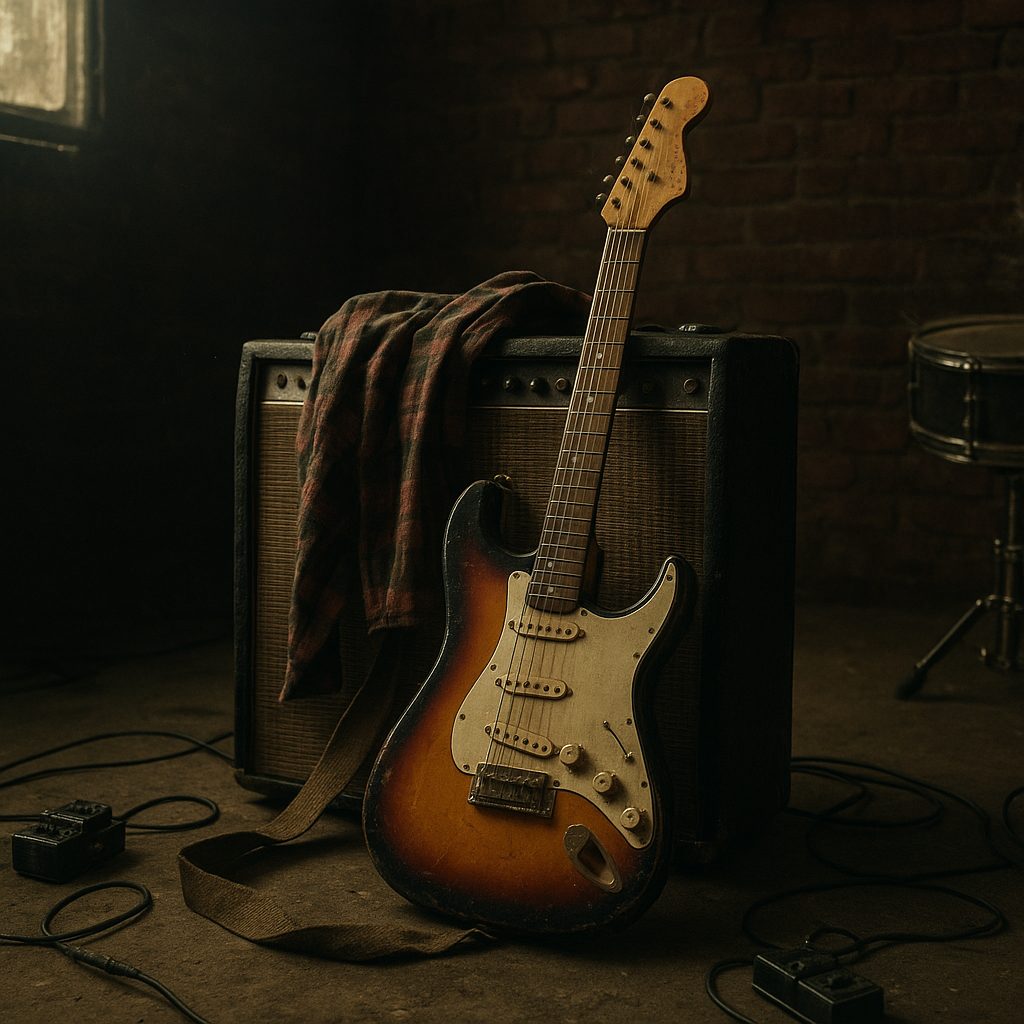
In September 1991, a band in thrift-store flannel knocked Michael Jackson off the top of the charts, and rock music changed addresses overnight. Thirty-plus years later, the great grunge rock bands still dominate our request lines. Here's the sound, the scene and why it never really left.
What grunge actually was
Forget the fashion spread. Grunge was a sound before it was a look: punk's speed and attitude welded to Black Sabbath's low end, recorded cheap and sung like it hurt. Seattle in the late '80s was isolated, rainy and ignored by the industry — perfect conditions for a scene that had nothing to prove to anyone. Bands played tiny clubs like the Central Tavern and the Crocodile for each other, traded members like baseball cards, and built a community around one fiercely independent label, Sub Pop. The flannel was just what you wore when it rained nine months a year and thrift stores were cheaper than heating.
Nirvana: the big bang
Every scene gets one band that blows the doors off, and grunge got Nirvana. "Nevermind" wasn't just successful — it was a reset button. "Smells Like Teen Spirit" weaponized the Pixies' quiet-loud-quiet trick into the defining anthem of a generation, and the album around it ("In Bloom," "Lithium," "Drain You") proved it was no fluke. Kurt Cobain wrote pop songs and then attacked them, and that tension is the whole story of the band. "In Utero" pushed the attack even further — raw, uncompromising, deliberately difficult. Three studio albums, and rock still measures time in before and after.
Pearl Jam: the survivors
If Nirvana was the explosion, Pearl Jam was the band built to last. "Ten" is one of the great debut albums — "Alive," "Even Flow," "Black" — with Eddie Vedder's baritone turning personal pain into stadium-sized communion. What makes Pearl Jam legendary, though, is the thirty years after: fighting Ticketmaster, giving away bootlegs of every show, and evolving from arena anthems to the restless experimentation of "Vitalogy" and "No Code." They're the grunge band that grew old without ever growing safe, and they remain one of the best live acts on the planet.
Soundgarden: the heavyweights
Musicians' musicians, the lot of them. Soundgarden were the scene's most technically gifted band — odd time signatures, drop tunings, riffs that bent metal into shapes nobody had tried before. "Badmotorfinger" was the warning shot; "Superunknown" was the masterpiece, a four-times-platinum monolith containing "Black Hole Sun," "Spoonman" and "Fell on Black Days." And at the center of it all was Chris Cornell, owner of arguably the greatest voice in rock history — a four-octave instrument equally capable of a whisper and an air-raid siren.
Alice in Chains: the darkest hour
The most metal of the big four and, in hindsight, maybe the most influential on what came after. Alice in Chains built their sound on the eerie two-part harmonies of Layne Staley and Jerry Cantrell — beautiful and unsettling at once — over riffs that moved like slow earthquakes. "Dirt" is a harrowing masterpiece about addiction and war, and the self-titled "tripod" album goes even darker. Then, impossibly, the band pulled off rock's most improbable second act, returning in 2009 with William DuVall and making albums that actually honor the legacy instead of embarrassing it.
The sound in the room
Part of the magic was how it was captured. Producer Jack Endino practically invented the early grunge drum sound in a tiny studio, tracking bands live and loud because that's how they actually sounded on stage. When the majors arrived, the better records kept that philosophy: "Nevermind" was famously polished, but the performances underneath are feral. Listen to "Dirt" or "Superunknown" on decent headphones and you'll hear something modern rock often forgets — the sound of four people playing in a room, bleeding into each other's microphones, pushing and pulling the tempo like a living thing. Grunge didn't just bring back heavy guitars; it brought back the idea that a band is a gang, not a brand.
The lyrics deserve their own mention too. Where '80s rock sang about parties and conquests, grunge wrote about depression, broken families, boredom and doubt — subjects rock had mostly avoided since punk. That subject matter is a huge part of why these records still resonate with every new generation of fifteen-year-olds: the feelings didn't age, so the songs didn't either.
And let's retire the lazy take that grunge killed rock's sense of fun. Watch any live clip of Pearl Jam in '92 — Vedder climbing the lighting rig, the band grinning through the chaos — and tell us that's a scene without joy. It was joy with the volume up and the pretense stripped off. That's exactly the kind of fun that still works.
Beyond the big four
The scene was deeper than four bands. Screaming Trees gave us "Nearly Lost You," one of the decade's great singles, and Mark Lanegan's weathered voice. Mudhoney's "Touch Me I'm Sick" is the scene's scruffy founding document — Superfuzz Bigmuff indeed. Temple of the Dog, the Cornell-Vedder supergroup tribute to Andrew Wood, made one perfect album. And yes, Stone Temple Pilots count: they were from San Diego and arrived a year late, but "Core" and "Purple" are essential records and Scott Weiland was a generational frontman. The Melvins, meanwhile, influenced everybody and became famous for almost none of it — the most grunge outcome possible.
Why grunge never left
Grunge won because it was honest. It killed hair metal not with a better gimmick but with better songs about real things — alienation, addiction, grief, survival. That honesty is why these records still sound urgent while so much of the era's polished competition sounds dated. The DNA is everywhere: in the early 2000s rock bands who grew up on "Nevermind," in every modern band that drops to D tuning, and in the riffs we celebrated in our look at '90s guitar greatness.
Most of all, grunge proved the rock industry can't manufacture a movement — it can only discover one that's already happening in a rainy city nobody's watching. Somewhere out there right now, in some overlooked town, the next one is rehearsing in a garage. We can't wait.